



Introduction
The 2010s fashion era was a time of significant change, with casual wear and streetwear dominating. Athleisure became a staple, featuring comfortable yet stylish items like leggings and oversized hoodies. Social media platforms like Instagram and YouTube helped influencers and celebrities shape trends, making Fashion accessible to a global audience.
The 2010s Fashion also saw a return to ’90s and early 2000s styles, alongside the rise of fast Fashion, offering trendy clothing at affordable prices. However, sustainability emerged as a key concern, with eco-friendly brands gaining popularity. Gender-fluid Fashion also grew, allowing individuals to express their style without traditional constraints.
Bold colours, patterns, and high-fashion collaborations with streetwear brands added to the decade’s unique blend of creativity, inclusivity, and individuality, marking it as a transformative period in Fashion.
| Basics | Details |
| Casual & Streetwear | Athleisure and brands like Supreme. |
| Nostalgic Styles | ’90s and early 2000s trends return. |
| Fast Fashion | Affordable, trendy clothes mainstream. |
| Sustainability | Eco-friendly and vintage shopping. |
| Social Media Influence | Instagram and YouTube spread trends. |
| Celebrity Influence | Celebrities set significant trends. |
| Gender Fluidity | Rise of gender-neutral clothing. |
| Bold Colors & Patterns | Neon hues, animal prints, and tees. |
| Technology in Fashion | Wearable tech and new fabrics. |
| Footwear Trends | Chunky sneakers and minimalist shoes. |
| High Fashion Influence | Streetwear and brand collaborations. |
Key Fashion Trends That Defined the 2010s
The 2010s were marked by a unique fusion of retro revivals and forward-thinking trends that reshaped modern wardrobes, blending nostalgia with innovation. This decade saw the resurgence of 90s essentials like high-waisted denim, slip dresses, and minimalist sneakers, while also introducing bold new statements such as athleisure and oversized silhouettes. Streetwear culture surged into the mainstream, bringing with it a mix of logo-centric pieces, layering techniques, and casual luxury that blurred the lines between comfort and style. At the same time, fashion influencers and digital platforms played a huge role in shaping public taste, turning once-niche trends into global movements almost overnight. The result was a diverse yet cohesive era of fashion that balanced functional basics with expressive, trend-driven looks.
Rise of Casual and Streetwear in 2010s Fashion
Casual wear took centre stage in 2010s Fashion, with streetwear becoming a dominant influence. Athleisure was everywhere, with comfortable yet fashionable options like leggings, oversized hoodies, and sneakers. Major brands like Supreme and Off-White redefined casual luxury. Streetwear was no longer limited to urban subcultures but became a global phenomenon, influencing high fashion runways and everyday street styles.
Nostalgic Throwbacks
The 2010s saw a return to nostalgic styles from the ’90s and early 2000s. Baggy jeans, crop tops, and platform sneakers made a comeback, drawing on the styles worn by celebrities and pop icons from the past. The popularity of “vintage” and “retro” was high as young people embraced the Fashion of the late 20th century. This era encouraged thrift shopping and DIY fashion to create unique, individual looks.

Fast Fashion’s Impact
Fast Fashion was a significant driving force in 2010s Fashion, making trendy clothes more affordable and accessible. Brands like H&M, Zara, and Forever 21 rapidly produced styles seen on runways and social media, allowing consumers to buy the latest trends at lower prices. This led to a more disposable approach to Fashion and made the style more inclusive for a wider audience.
Sustainability Movement
While fast Fashion was on the rise, the 2010s also saw a growing awareness of sustainability in the fashion industry. Many consumers began to embrace eco-friendly brands, and vintage shopping became more popular. People were increasingly concerned about the environmental impact of their fashion choices. Sustainable brands like Patagonia and Reformation gained popularity, and consumers sought alternatives to fast Fashion.
Influence of Social Media
Social media played a massive role in shaping 2010s Fashion. Platforms like Instagram and YouTube allowed influencers, celebrities, and regular people to showcase their style. This democratization of Fashion helped trends spread rapidly, and people could see the latest looks in real time. Social media has influenced what people wear and style, making Fashion more accessible to the global audience.
Celebrity Influence
Celebrities played a significant role in defining 2010s Fashion. Icons like Beyoncé, Rihanna, and Kim Kardashian were at the forefront, constantly influencing trends with their style choices. From athleisure and bodycon dresses to oversized sunglasses and statement sneakers, their outfits set the stage for what was considered fashionable. Celebrity-driven fashion collaborations also became a significant part of the industry.
The Gender Fluidity
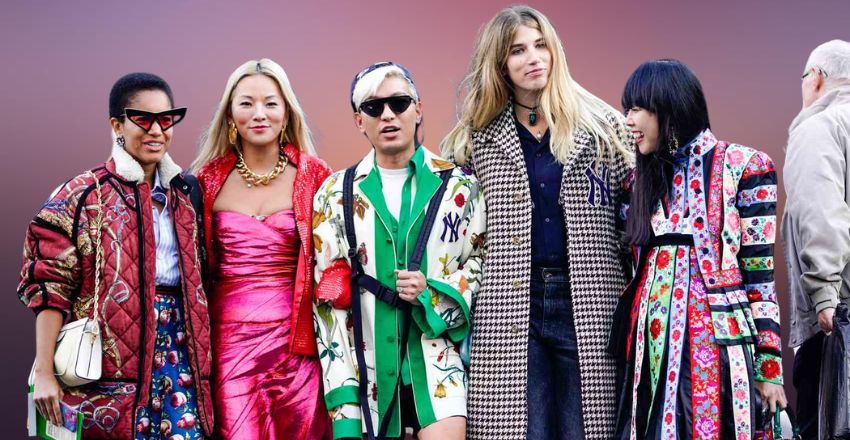
The 2010s saw a shift in how society viewed gender and Fashion. Traditional gender norms started to break down, and designers began to create more gender-neutral and androgynous clothing. Celebrities like Harry Styles and Jaden Smith embraced more fluid expressions of style, wearing skirts, dresses, and unconventional pieces. This shift allowed individuals to express themselves without the constraints of traditional gender expectations.
Bold Colors and Patterns
In the 2010s, Fashion was full of bold colours and patterns. Both men and women embraced neon hues, animal prints, and floral patterns. Streetwear culture popularized graphic tees, while high fashion designers incorporated vibrant and eclectic designs into their collections. Whether it was the return of bold colour-blocking or the rise of psychedelic prints, the decade was about embracing individuality through daring style choices.

Technology’s Role
The 2010s also saw an integration of technology in Fashion. Wearable tech, like fitness trackers and smartwatches, became fashion statements in their own right. Many brands also began experimenting with innovative fabrics and materials, incorporating digital design techniques into their garments.
This decade marked the beginning of the merging of Fashion with technology, paving the way for the future of bright clothing and accessories.
Footwear Trends
Footwear in 2010s Fashion was diverse, ranging from chunky sneakers to sleek, minimalist shoes. The rise of “dad shoes,” such as Adidas’ Yeezy Boosts, became a fashion statement, often paired with casual outfits. On the other hand, minimalist shoes like Stan Smiths and slip-ons also had their moment. Boots, particularly ankle boots, were versatile and a go-to style for men and women throughout the decade.
The Influence of High Fashion
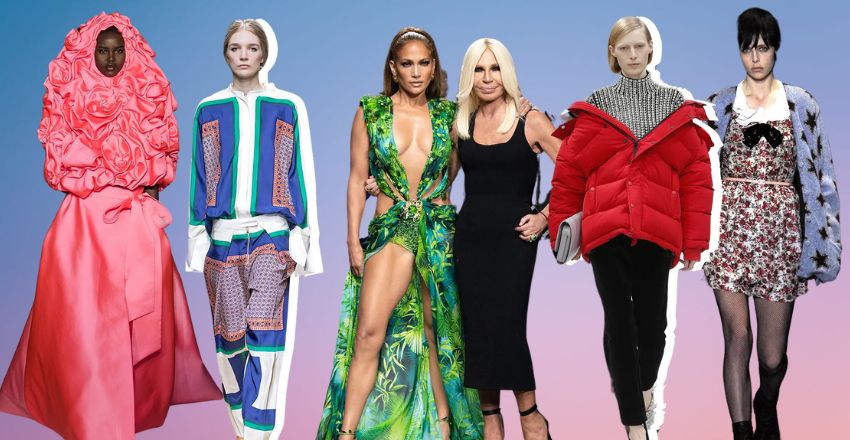
Streetwear, social media, and celebrity culture heavily influenced High Fashion in the 2010s. Designers like Virgil Abloh and Demna Gvasalia brought urban-style elements into their collections. High Fashion also saw the continued popularity of collaborations with popular culture, such as designer partnerships with brands like Nike, and the merging of high and low Fashion became increasingly common on the runway.
Conclusion
The 2010s fashion era was marked by its embrace of comfort, individuality, and inclusivity. With streetwear, casual wear, and nostalgic styles dominating, Fashion became more accessible and diverse. Social media and celebrity influence reshaped trends, while sustainability became a growing focus. The decade saw bold experimentation with colours, patterns, and gender-fluid Fashion, lasting impacting the fashion industry and paving the way for future innovations.
Apart from that if you want to know about “Ultimate Guide to Wedding Guest Hair: Styles, Costs, and Tips for Every Occasion to Look Your Best” then please visit our “Fashion” Category.
FAQs
Social media platforms like Instagram and YouTube allow influencers and celebrities to showcase their style, making Fashion more accessible and helping trends spread globally.
Fast Fashion has made trendy clothing more affordable and accessible, with brands like H&M, Zara, and Forever 21 rapidly producing new styles, making Fashion more inclusive and leading to a disposable approach to style.
Yes, sustainability gained traction in the 2010s, with more consumers embracing eco-friendly brands and vintage shopping due to growing concerns over the environmental impact of Fashion.
Influencers became major trend drivers, shaping consumer preferences and introducing new styles through social media platforms.
Fast fashion allowed trends to change rapidly, making runway and celebrity-inspired looks accessible to the public at a much faster pace.
