


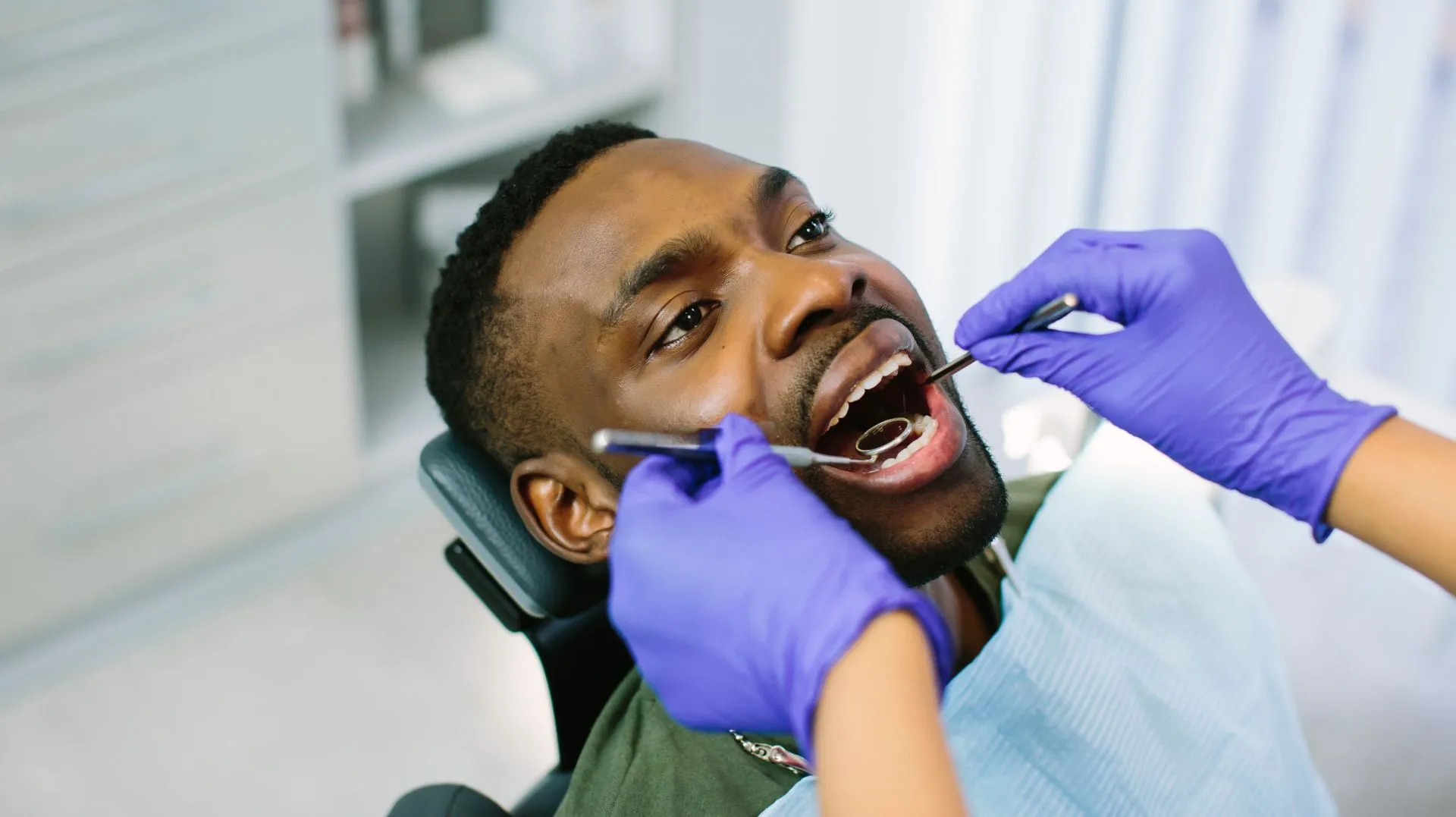
Your dentist watches more than your brushing habits. Regular check-ups offer a window into your everyday behaviors. Dentists assess your oral hygiene, looking for patterns that affect your dental health. They notice the way you floss, how often you snack, and even your stress levels. These habits can lead to problems like cavities or gum disease. If you struggle with dental issues, you might consider innovative solutions like Puyallup dental implants to restore your smile. Your dentist evaluates signs of teeth grinding or acid erosion that could cause long-term damage. They also notice if you smoke or consume alcohol frequently. These factors influence your overall health. Understanding these daily behaviors helps your dentist provide better care. They aim to prevent issues before they arise. So, next time you visit, know that your dentist is not just focused on brushing. They’re ensuring you maintain a healthy smile for life.
Flossing Frequency and Technique
Flossing seems simple, yet it holds great importance. During your dental check-up, your dentist observes if you floss regularly and correctly. Proper flossing removes food particles and prevents plaque buildup. Inadequate or rare flossing leads to tartar and gum inflammation. Flossing every day supports long-term oral health.
Snacking Habits
Frequent snacking affects your teeth more than you might think. Your dentist can often tell if you snack on sugary or acidic foods. These foods can cause tooth decay. Limiting snacks low in nutrients and maintaining regular meals helps protect your teeth.
Stress Levels and Their Effects
Stress manifests in several ways, impacting teeth and gums. Dentists often find signs of stress through teeth grinding or clenching. This grinding, known as bruxism, can lead to worn enamel, tooth sensitivity, and pain. Addressing stress through relaxation techniques is essential for oral health.
Smoking and Alcohol Use
| Behavior | Impact on Oral Health |
|---|---|
| Smoking | Leads to gum disease, oral cancer, and tooth staining. |
| Alcohol Consumption | Increases risk of oral cancer; causes dry mouth. |
Your dentist can tell if you smoke or drink alcohol. These habits harm your teeth and gums. Smoking contributes to gum disease and oral cancer. Alcohol consumption dries out the mouth and raises cancer risk. Reducing these habits benefits your oral and overall health.
Teeth Grinding and Clenching
Bruxism is a common issue that dentists identify. It occurs when you grind or clench your teeth during the day or while sleeping. This can lead to various problems like headaches, jaw pain, and damaged teeth. Custom night guards can prevent grinding damage. Your dentist can help find the right solution for you.
Acid Erosion and Its Causes
Acid erosion weakens your teeth. Your dentist notices signs of erosion, often caused by consuming acidic foods and drinks. Sodas, citrus fruits, and vinegar-based foods are common culprits. Reducing these foods in your diet protects your enamel. Rinsing your mouth with water after consuming them also helps.
Gum Health Examination
Dentists pay attention to gum health during exams. They look for signs of inflammation, bleeding, or recession. Poor gum health indicates issues like gingivitis or periodontitis. Regular cleanings and proper brushing improve gum health. Identifying and treating gum problems early prevents severe conditions.
Diet and Nutrition
Your diet plays a significant role in your oral health. Dentists notice the effects of poor nutrition during check-ups. A balanced diet rich in vitamins and minerals supports strong teeth and gums. Foods high in calcium, such as dairy products, are particularly beneficial.
Conclusion: A Comprehensive Approach to Dental Care
Your dentist assesses these everyday behaviors to offer personalized care. They understand that your daily habits impact your oral health. By addressing these behaviors, you maintain a healthy smile and prevent future problems. Regular dental visits and open communication with your dentist ensure you receive the best care possible. Keep these factors in mind during your next dental visit. For more information on oral health, visit the CDC’s Oral Health Basics page. Additionally, learn about maintaining your dental health through the National Institute of Dental and Craniofacial Research’s daily tips.
Apart from that if you want to know about Health Managing Dental Anxiety In Children And Adults then please visit our Health Category.
