



Introduction
Protein powders have become a staple in modern nutrition, catering to athletes, fitness enthusiasts, and individuals seeking a convenient way to meet their protein needs. With a vast array of options available, finding the healthiest protein powder can be challenging.
The right choice depends on factors such as protein source, ingredient quality, and overall health benefits. However, with countless options on the market, selecting the healthiest protein powder can be overwhelming.
This article explores the best types of protein powders, their health benefits, key ingredients to look for, and tips for choosing the right one.
| Protein Powder Type | Key Benefits | Best For |
| Whey Protein | The Healthiest Protein Powder Rich in essential amino acids, highly digestible, supports muscle recovery, rapid absorption | Athletes, general fitness enthusiasts |
| Casein Protein | Slow-digesting, supports muscle repair, prevents muscle breakdown, promotes sustained energy | Individuals needing overnight muscle recovery |
| Pea Protein | High in BCAAs, supports muscle growth and weight loss, hypoallergenic, easy digestion | Vegans, lactose-intolerant individuals |
| Brown Rice Protein | Good amino acid profile, aids muscle recovery, easy digestion | Those seeking plant-based protein alternatives |
| Hemp Protein | Rich in omega-3s and fiber, supports heart health, provides essential minerals | People looking for a nutritious, plant-based protein |
| Soy Protein | Complete protein with all essential amino acids, supports heart health, rich in antioxidants | Vegans, those looking for cholesterol-lowering benefits |
| Collagen Protein | Supports skin elasticity, joint health, and gut health | Individuals focused on skin, joint, and digestive health |
| Egg White Protein | High bioavailability, supports lean muscle growth, low fat | Those with dairy intolerance or seeking a lean protein option |
Key Factors That Define a Healthy Protein Powder
Choosing a healthy protein powder goes beyond just picking the most popular brand on the shelf — it involves understanding what makes one product more beneficial than another. A high-quality protein powder should provide a complete amino acid profile, meaning it supplies all the essential building blocks your body needs for muscle repair, growth, and general health. Many complete options — like whey — are quickly absorbed and rich in essential amino acids, while plant-based blends can also achieve this when multiple sources are combined. Health-minded consumers are advised to limit added sugars and artificial additives, and to look for products with simple, recognizable ingredients, as well as those that have been independently verified for purity and safety to avoid contaminants like heavy metals. Reading labels carefully and tailoring your choice to your dietary goals — whether for muscle building, weight management, or general nutrition — can help you select the most suitable protein supplement for your lifestyle.
The Healthiest Protein Powder
The healthiest protein powder is one that aligns with your dietary needs while providing high-quality protein without harmful additives. Ideally, it should have a clean ingredient list, minimal processing, and no artificial sweeteners, colors, or preservatives. Whey protein isolate is considered one of the best choices due to its high protein content, rapid absorption, and minimal lactose, making it suitable for muscle recovery and lean muscle growth.
For those who are lactose intolerant or follow a plant-based diet, organic pea, hemp, or brown rice protein are excellent options, as they provide essential amino acids while being easy to digest. Look for protein powders that are free from added sugars, excessive sodium, or hydrogenated oils, as these can contribute to health issues over time.
Additionally, third-party tested protein powders ensure purity, safety, and accurate labeling, reducing the risk of contaminants or misleading claims. Choosing a protein powder with natural flavors and a balanced nutrient profile will not only support muscle growth but also promote overall health and well-being.

What Makes Protein Powder Healthy?
Not all protein powders are created equally. The healthiest protein powders are those that:
- Contain high-quality protein sources
- Have minimal additives and artificial ingredients
- Are free from excessive sugar and unhealthy fillers
- Are easily digestible and bioavailable
- Support overall health and wellness
Types of Protein Powder
Whey Protein
Whey protein is derived from milk and is one of the most popular protein supplements. It is rich in essential amino acids and is highly digestible.
Health Benefits
- Supports muscle growth and recovery
- Contains immune-boosting compounds
- Helps in weight management by promoting satiety
- Rapid absorption makes it ideal post-workout
Casein Protein
Casein is another milk-derived protein that digests slowly, providing a steady release of amino acids.
Health Benefits
- Ideal for nighttime consumption to support muscle repair
- Helps in preventing muscle breakdown
- Promotes sustained energy levels
Plant-Based Protein
Plant-based protein powders are excellent options for vegans and those with dairy intolerances. Common sources include:
Pea Protein
- Rich in branched-chain amino acids (BCAAs)
- Supports muscle growth and weight loss
- Easily digestible and hypoallergenic
Brown Rice Protein
- Provides a good amino acid profile
- Supports muscle recovery
- Easily digestible
Hemp Protein
- Rich in omega-3 fatty acids and fiber
- Supports heart health
- Provides essential minerals
Soy Protein
- Contains all nine essential amino acids
- Supports heart health by lowering cholesterol
- Rich in antioxidants
Collagen Protein
Collagen protein is sourced from animal bones and connective tissues, mainly used for skin, joint, and gut health.

Health Benefits
- Supports skin elasticity and hydration
- Promotes joint and bone health
- Aids digestion and gut health
Egg White Protein
Egg white protein is an excellent source of high-quality protein with minimal fat.
Health Benefits
- High bioavailability
- Supports lean muscle growth
- Ideal for those with dairy intolerance
Ingredients to Look for in a Healthy Protein Powder
To ensure you’re selecting the best protein powder for your health, look for:
- High-Quality Protein Sources: Whey isolate, plant-based blends, or organic sources
- Minimal Ingredients: Avoid excessive additives, artificial sweeteners, and fillers
- Digestive Enzymes: Help with absorption and digestion
- Essential Nutrients: Vitamins, minerals, and fiber for added health benefits
Ingredients to Avoid
Certain ingredients can negatively impact health, including:
- Artificial Sweeteners & Flavors: Sucralose, aspartame, and saccharin
- Excess Sugar: Added sugars can lead to weight gain and metabolic issues
- Preservatives & Fillers: Maltodextrin, hydrogenated oils, and gums
- Heavy Metals & Contaminants: Some protein powders contain lead, arsenic, or cadmium
How to Choose the Right Protein Powder
Choosing the right protein powder depends on your fitness goals, dietary preferences, and any allergies or intolerances you may have. First, consider the protein source—whey and casein are great for muscle recovery, while plant-based options like pea, soy, or hemp suit vegans and those with dairy sensitivities.
Check the protein content per serving and avoid powders with excessive added sugars, artificial sweeteners, or unnecessary fillers. If weight loss is your goal, opt for a low-carb, low-calorie option, whereas those looking to gain muscle may benefit from a higher-calorie blend. Lastly, read reviews and third-party testing certifications to ensure product quality and safety.
Top 5 Healthiest Powders
Here are some of the best options based on health benefits:
| Protein Powder | Key Benefits | Who It’s Best For |
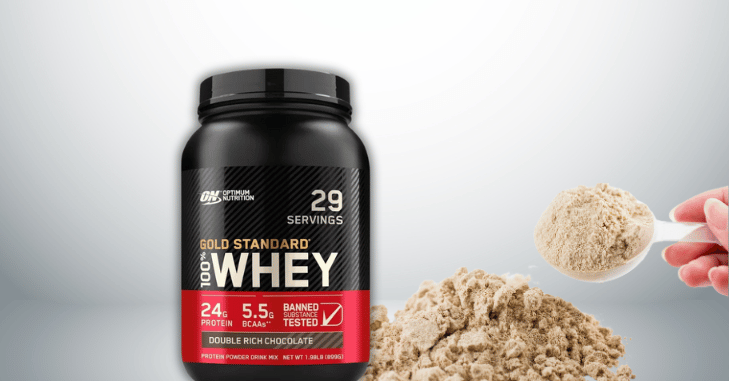
| Optimum Nutrition Gold Standard Whey | Complete amino acid profile; 24g protein per serving; affordable. | Beginners and general fitness enthusiasts. |
| Orgain Organic Protein (Plant-Based) | Vegan-friendly, organic ingredients, and easy to digest. | Vegans, vegetarians, and lactose-intolerant individuals. |
| Huel Complete Protein | Balanced macronutrients include fiber and vitamins. | Those seeking a meal replacement option. |
| Naked Unflavored Whey | No additives; high protein concentration. | Clean-label enthusiasts. |
| Bulk Clear Whey Isolate | Low-calorie, refreshing flavors; ideal for weight loss. | Those focused on weight management. |
Bad Effects
While protein powders can be beneficial for muscle growth, recovery, and overall nutrition, they also have some disadvantages. One of the main drawbacks is digestive issues. Some protein powders, especially those containing lactose, such as whey concentrate, can cause bloating, gas, diarrhea, or stomach discomfort.
Another concern is the high sugar and additives found in many protein powders. Some brands contain added sugars, artificial sweeteners, and preservatives, which can contribute to weight gain and blood sugar spikes. Additionally, certain protein powders include fillers and low-quality ingredients that provide little nutritional value.
There is also the risk of heavy metal contamination. Some protein powders have been found to contain harmful metals such as lead, arsenic, cadmium, and mercury, which can have long-term health consequences. This issue is particularly prevalent in plant-based protein powders, as plants can absorb these metals from the soil.
Conclusion
The healthiest protein powder depends on individual dietary preferences, fitness goals, and ingredient quality. Whether you prefer whey, plant-based, or collagen protein, choosing a clean, minimally processed powder ensures you get the best health benefits.
Always check ingredient labels, avoid artificial additives, and opt for third-party tested products for safety and effectiveness. By selecting the right protein powder, you can enhance muscle recovery, support weight management, and improve overall well-being in a natural and nutritious way.
Apart from that if you want to know about “Ginger Shots Benefits: Why You Should Add Them to Your Daily Routine? The Incredible Benefits of Ginger” then please visit our “Fitness” Category.
FAQs
According to the findings, 55% of the protein powders they tested tested positive for BPA, and 75% of them had some amount of lead. Cadmium, arsenic, and mercury levels were also found in the study.
Some whey protein powders and supplements contain hazardous substances like anabolic steroids, which diminish sperm count and concentration.
Increased weight loss, increased satiety, and improved body composition are just a few of the remarkable advantages that whey protein has been associated with (32, 33).
Ten to thirty-five percent of your calories should come from protein. Therefore, if you require 2,000 calories per day, 200–700 of those calories will come from protein, or 50–175 grams.
Protein powder can be taken at various times, such as after workouts, between meals, or as part of breakfast, depending on individual fitness goals.
