



Introduction
Bob Marley, the legendary reggae artist born on February 6, 1945, left an indelible mark on music and culture worldwide. How did Bob Marley die? Marley passed away on May 11, 1981, at the age of 36, due to melanoma, a type of skin cancer that began as a dark spot under his toenail.
This article will explore Marley’s diagnosis, the Rastafarian beliefs that influenced his treatment choices, and the legacy of peace and unity he left through his music.
| Aspect | Details |
| Full Name | Robert Nesta Marley |
| Date of Birth | February 6, 1945 |
| Date of Death | May 11, 1981 |
| Cause of Death/ How did Bob Marley die? | Melanoma |
| Initial Diagnosis | The dark spot under the toenail |
| Height | 5 feet 7 inches (170 cm) |
| Weight | 140 pounds (64 kg) |
| Age at Death | 36 years |
| Health Decline | Spread to lungs and brain. |
| Nationality | Jamaica |
How did Bob Marley die?
How did Bob Marley die? Bob Marley, the reggae legend, passed away on May 11, 1981, from melanoma, a severe form of skin cancer. His illness started as a dark spot under his toenail, which he initially thought was from a soccer injury. However, the cancer spread over time. Due to his Rastafarian beliefs, he declined amputation, ultimately succumbing to the illness at age 36.
Bob Marley’s Battle with Melanoma and Its Impact
Bob Marley’s untimely death was the result of melanoma, a form of skin cancer that initially developed under his toenail, a condition that was uncommon yet aggressive. Despite his global success and enduring influence on music and culture, Marley’s health struggle became a pivotal part of his later life, illustrating how even celebrated figures can face serious medical challenges. His decision to continue touring and performing amid treatments reflected his deep commitment to his craft and his fans. Ultimately, the progression of the disease underscored the importance of early detection and awareness of melanoma, helping to bring attention to an illness that can affect anyone, regardless of lifestyle or fame.
Diagnosis of Melanoma
In 1977, Marley was diagnosed with a type of skin cancer called acral lentiginous melanoma. The melanoma was discovered under his toenail after an injury while playing soccer. Initially, Marley believed it to be a minor sports injury, but doctors soon confirmed it was cancer.
Spread of Cancer
Despite early recommendations to amputate the toe, Marley refused due to religious beliefs and his commitment to performing. Unfortunately, the cancer began to spread, first to his lungs and then to his brain.
Attempts at Treatment
Marley sought treatment in the United States and Germany, exploring various options to fight the disease. He underwent alternative treatments in Germany with Dr. Josef Issels, who specialized in holistic therapies.
Initial Signs and Ignored Symptoms
Bob Marley’s cancer began with a dark spot under his toenail, which he initially believed was from a soccer injury. Despite medical advice, he did not take immediate action, partly due to his beliefs and commitment to performing.
Religious Beliefs and Treatment Choices
Marley’s Rastafarian beliefs played a significant role in his treatment decisions. Rastafarians view the body as sacred and may avoid invasive procedures. Due to this, Marley opted against the recommended amputation of his toe.
Health Decline During Touring
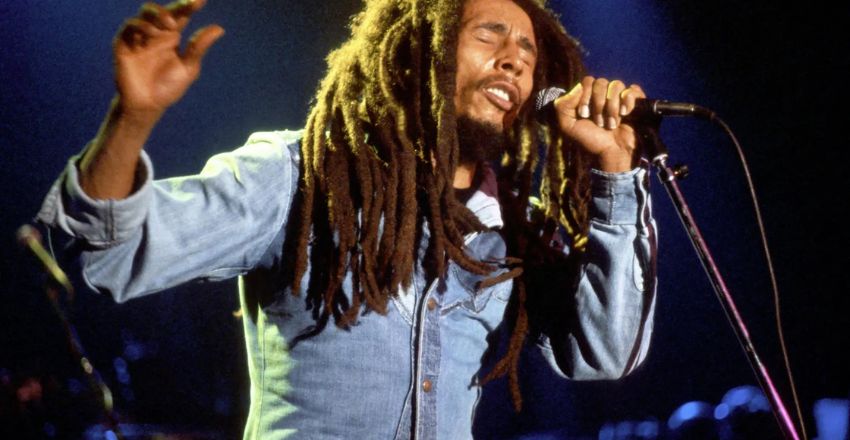
Even as his health declined, Marley continued touring and performing, unwilling to disappoint his fans. In contrast, he remained committed to spreading his message through music.
Alternative Treatments in Germany
In a last effort to save his life, Marley traveled to Germany to receive treatment from Dr. Josef Issels, who practiced alternative medicine. This approach combined holistic therapies with a strict diet.
Return to Jamaica: A Final Wish
As Marley’s condition worsened, he deeply desired to return to Jamaica, his homeland. However, during the trip, his health deteriorated further. He was diverted to Miami, where he spent his final days in a hospital, surrounded by close family members.

Final Days and Passing
By 1981, Marley’s condition had worsened significantly. He decided to return to Jamaica, but his health took a severe turn on the journey back. He was taken to a hospital in Miami, Florida, where he spent his final days. Marley passed away on May 11, 1981.
Early Life
Born Robert Nesta Marley on February 6, 1945, in Nine Mile, Jamaica, Bob Marley grew up in a small rural community. Raised by his mother, Cedella Booker, after his father’s early death, Marley experienced a modest upbringing.
Music became an early passion, and by his teenage years, he moved to Kingston, where he was introduced to the rich musical landscape that would shape his future.
Education
Bob Marley’s formal education was limited due to financial constraints. He left school at a young age, focusing instead on supporting his family and pursuing his musical interests. However, Marley’s informal education came through exposure to diverse cultural influences, especially in Kingston’s Trenchtown neighborhood.
Musical Career
Marley’s career officially began in the early 1960s when he formed The Wailers with Peter Tosh and Bunny Wailer. Together, they developed a unique reggae sound that resonated with audiences. Hits like “Simmer Down” and “One Love” marked their initial success.
Height and Weight
Bob Marley was slender, standing approximately 5 feet 7 inches (170 cm) tall and weighing around 140 pounds (64 kg). His lean physique became an iconic part of his image as a performer.
Age
Bob Marley lived a relatively short life, passing away at 36. However, his impact on music and culture was profound. Even today, Marley’s legacy endures, with new generations discovering his work and appreciating his messages of unity and peace.

Songs and Writing
Marley’s music catalog includes timeless hits like “No Woman, No Cry,” “Three Little Birds,” “Redemption Song,” and “Buffalo Soldier.” His songwriting covered themes of spirituality, social justice, and human rights. Marley’s unique approach to storytelling allowed him to connect deeply with listeners.
The Final Concert and Farewell to Fans
Bob Marley’s last live performance was held on September 23, 1980, in Pittsburgh, Pennsylvania. Although unwell, he delivered a powerful performance, saying farewell to fans unaware of his health struggles. This concert marked the end of his live music career.
Awards and Achievements
Here are some key awards and recognitions Bob Marley received during his career:
- Grammy Lifetime Achievement Award (2001)
- Reggae Hall of Fame Inductee
- Jamaica’s Order of Merit (1981, posthumously)
- Caribbean Hall of Fame
- NME Award for Best Solo Artist (1975)
- Rolling Stone’s 100 Greatest Artists of All Time (included)
- Time 100 (Most Influential People of the 20th Century)
- Cultural Ambassador Award (Jamaican Government, posthumous)
- Rock and Roll Hall of Fame Inductee (1994)
- “One Love” – Grammy Hall of Fame Award
Legacy and Cultural Impact
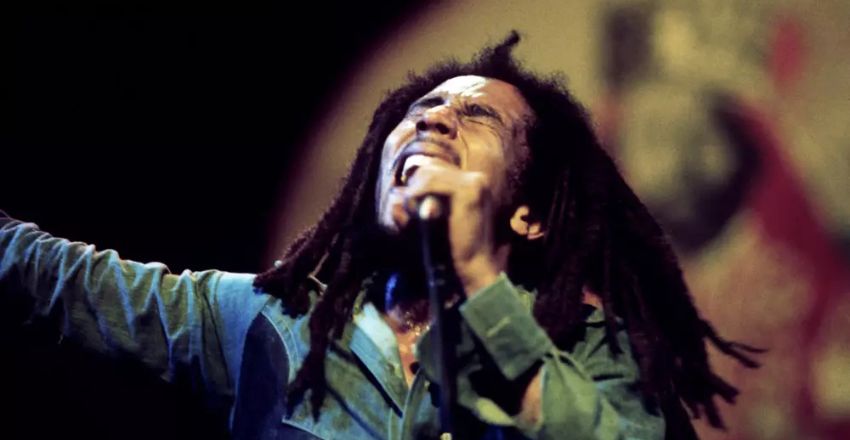
Marley’s influence on music and culture is still celebrated today. Regarded as the “King of Reggae,” he is credited with bringing the genre to international prominence. His music became synonymous with Jamaica’s cultural identity.
Conclusion
In conclusion, Bob Marley’s life and legacy continue to inspire generations. How did Bob Marley die? His journey ended on May 11, 1981, due to melanoma, but his music, rooted in messages of love, peace, and social justice, endures. Though he left the world young, his impact remains timeless, resonating across cultures and generations worldwide.
Apart from that if you want to know about “Norah O’Donnell’s Age” then please visit our “Entertainment” Category.
FAQs
Bob Marley developed melanoma from a dark spot under his toenail, which started after a soccer injury.
Yes, Bob Marley was aware of his terminal illness as his cancer spread and his condition worsened.
Bob Marley was shot in 1976 during a failed assassination attempt, likely due to political tensions in Jamaica.
Bob Marley suffered from melanoma, a serious form of skin cancer that later spread to other parts of his body.
Melanoma is a type of skin cancer that develops from pigment-producing cells and is dangerous because it can spread rapidly to vital organs if not treated early.
