


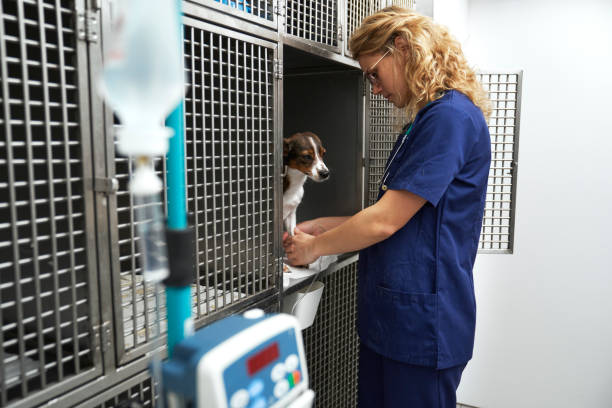
When your pet has internal health issues, getting a clear diagnosis is crucial. Ultrasound helps veterinarians see inside your pet’s body without surgery. It gives real-time images of organs, tissues, and blood flow. This helps your veterinarian in Jackson County understand what might be wrong. Ultrasound is safe for pets and does not cause pain. It helps detect conditions like tumors, cysts, or stones early. This early detection can lead to more effective treatments. Unlike some other imaging methods, ultrasound does not require sedation. Your pet can remain calm and comfortable. Understanding your pet’s health can be stressful. But with ultrasound, you have a tool that helps ensure your pet’s well-being. This diagnostic method supports your vet in giving precise insights into your pet’s condition. When you are worried about your pet’s health, knowing you have options like ultrasound can be reassuring.
How Ultrasound Works
Ultrasound uses high-frequency sound waves to create images of the inside of the body. These sound waves bounce off different tissues and organs, creating echoes that the ultrasound machine translates into images. This process allows veterinarians to see what’s happening inside your pet without invasive procedures. For more information on how ultrasound technology works, you can visit the U.S. Food and Drug Administration website.
Common Uses of Ultrasound in Pets
Ultrasound is versatile and can help diagnose numerous conditions. Its common applications include:
- Abdominal Issues: Ultrasound can detect problems like liver disease, kidney stones, and intestinal blockages.
- Heart Conditions: It helps evaluate heart function and detect abnormalities.
- Pregnancy Checks: Vets use it to monitor fetal development in pregnant animals.
Benefits of Ultrasound Over Other Imaging Methods
Ultrasound offers several advantages compared to other imaging techniques like X-rays and CT scans:
- Safety: Ultrasound does not use radiation, making it safer for repeated use.
- Non-Invasive: There’s no need for incisions or sedation.
- Real-Time Imaging: Provides immediate results, helping in quicker diagnosis.
Comparison Table: Ultrasound vs. Other Imaging Methods
| Imaging Method | Uses Radiation | Requires Sedation | Real-Time Imaging |
|---|---|---|---|
| Ultrasound | No | No | Yes |
| X-rays | Yes | Sometimes | No |
| CT Scans | Yes | Often | No |
Preparing Your Pet for an Ultrasound
Preparation for an ultrasound is simple. You may need to withhold food for a few hours before the scan. This helps get clearer images of the abdomen. The vet might shave a small patch of fur to ensure good contact with the skin. Your pet can stay with you during the procedure, providing comfort and reassurance.
What to Expect During the Ultrasound
During the procedure, your pet will lie on an examination table. The vet will apply a special gel to the skin where the ultrasound probe will be placed. The vet moves the probe to capture images. The process is quick, usually taking between 20 to 30 minutes. The results are often available immediately, allowing for prompt discussion of findings.
Understanding the Results
Ultrasound images can reveal abnormalities like masses, fluid build-ups, and organ enlargement. Your veterinarian will explain the images, discuss possible conditions, and recommend next steps. This might include further tests, treatments, or changes in care.
When to Use Ultrasound
Consider ultrasound if your pet shows signs of internal health issues, such as persistent vomiting, unexplained weight loss, or changes in appetite. Early diagnosis can improve treatment outcomes and provide peace of mind. If you have concerns about your pet’s health, discuss ultrasound as a diagnostic option with your vet. For more detailed guidance on pet health, visit the American Veterinary Medical Association.
Conclusion
Ultrasound is a valuable tool in diagnosing internal pet health issues. It offers a non-invasive, safe, and effective way to gain insights into your pet’s health. By understanding the process, you can better support your pet through any health challenges. Always consult with your veterinarian to determine the best diagnostic approach for your pet’s specific needs.
Want to know about 3 Signs Your Pet Needs Immediate Attention from an Animal Hospital Check out our Pets category.
