


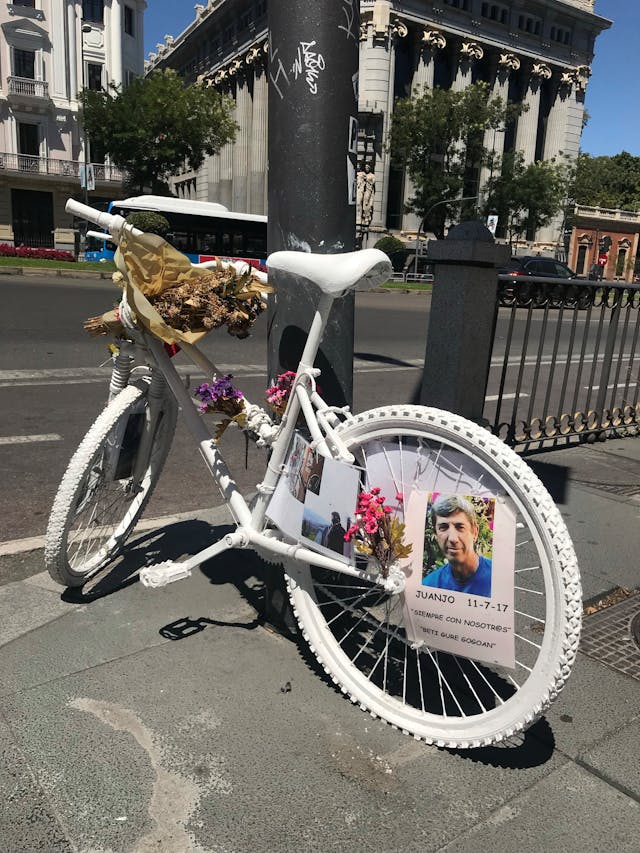
Bicycling is one of the most eco-friendly modes of transportation. They literally have no emissions! Unfortunately, bicyclists are susceptible to one major source of harm – negligence. Other drivers, owing to a variety of reasons, may crash into a cycle. Bicycle accidents can result from various factors, but many are caused by motorist negligence. While the driver is left relatively unscathed, the cyclist suffers major injuries. As such, bicycle accident personal injury claims, such as those focused on by Delventhal Injury Attorneys, investigate thoroughly to get maximum compensation for the victim. Here’s how it works…
1. A Motorist Failing to Obey Traffic Signals
One of the most frequent causes of bicycle accidents occurs when a driver disregards traffic signals, such as running a red light or ignoring a stop sign. Cyclists rely on predictable traffic patterns to navigate safely, and a driver’s failure to comply with traffic laws can lead to devastating collisions. Here are the investigation parameters…
- Reviewing traffic camera footage and witness statements to confirm that the driver violates traffic signals.
- Gathering police reports that document the driver’s actions.
- Consulting accident reconstruction experts to establish how the violation led to the crash.
2. Speeding or Aggressive Driving
Speeding drivers have less time to react to cyclists, increasing the likelihood of an accident. Aggressive driving behaviors, such as tailgating or weaving through traffic, also pose significant risks. Cyclists are particularly vulnerable to such reckless behavior, as they lack the protective barriers of a motor vehicle. These are the key areas investigated…
- Examining skid marks, crash site debris, and vehicle damage to estimate the driver’s speed at the time of the accident.
- Analyzing black box data (if available) from the vehicle to determine speed and braking patterns.
- Interviewing witnesses to corroborate claims of aggressive driving behavior.
3. Failure to Yield
Failing to yield the right of way is another common cause of bicycle accidents. This often occurs at intersections, roundabouts, or when drivers are turning. Cyclists have a legal right to share the road, and a driver’s failure to yield can lead to catastrophic collisions. The investigation involves…
- Reviewing road signage and markings to establish who had the right of way.
- Collecting witness statements and police reports to document the driver’s failure to yield.
- Using accident reconstruction techniques to demonstrate how the crash occurred.
4. Blind Spot Oversights During Lane Changes
Cyclists are often invisible to drivers who fail to check their blind spots before changing lanes or merging. This can lead to sideswipe accidents or collisions that throw cyclists off balance. Here are some of the key areas checked…
- Determining the position of the cyclist at the time of the accident using eyewitness accounts or video evidence.
- Examining the driver’s statement to identify whether blind spot awareness was ignored.
- Consulting crash reconstruction experts to map out the sequence of events.
5. Failure to Give Cyclists Enough Space
Drivers are required by law to give cyclists sufficient space when passing. However, some drivers either misjudge the distance or deliberately veer into a cyclist’s lane, causing dangerous close calls or direct collisions. Here’s how this works…
- Analyzing the width of the road and the distance between the vehicles involved.
- Utilizing video footage or witness statements to confirm that the driver encroached into the cyclist’s space.
- Reviewing laws and regulations to prove the driver violated safe passing requirements.
With the help of a lawyer, not only will the entire accident be investigated thoroughly, but enough evidence against the motorist will be discovered. This way, you’re sure to get maximum compensation for your suffering! So don’t wait – reach out to an expert today.
Apart from that if you want to know about “Sofia Vergara Age, Net Worth, Career, Height, Movies, Personal Life, Awards, and More” then please visit our “Lifestyle” Category.
