


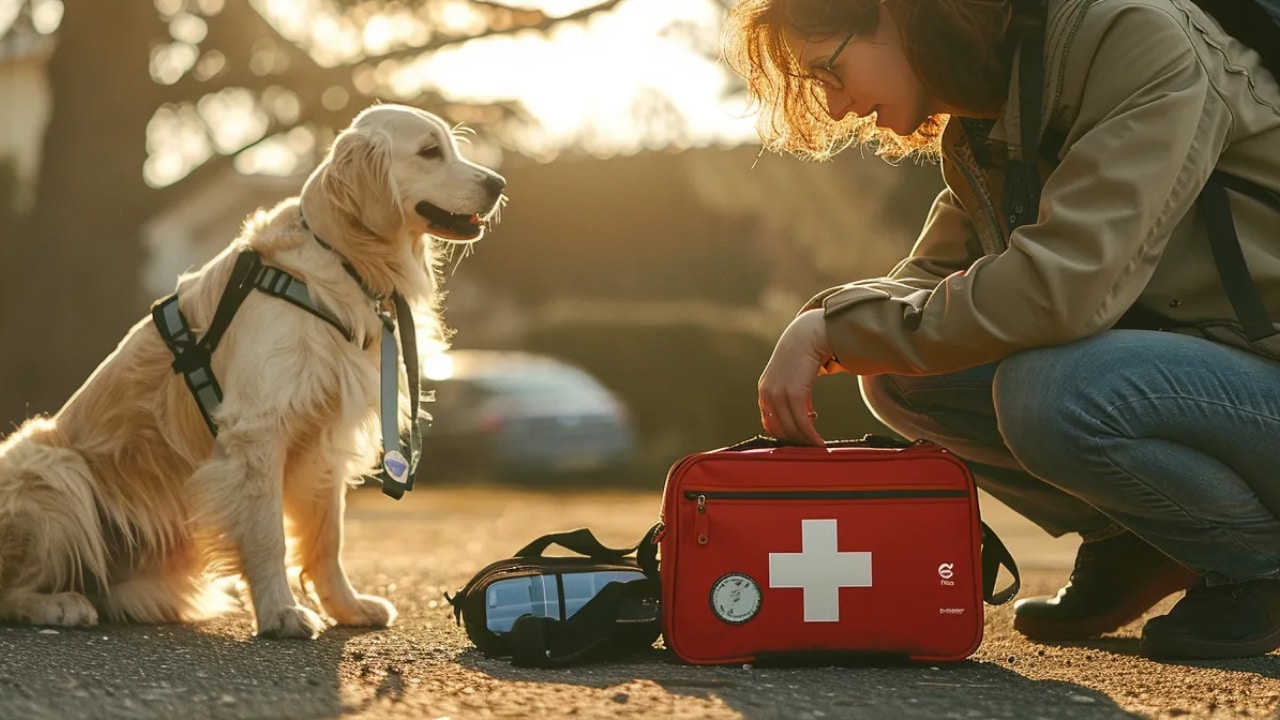
Owning a pet brings joy and companionship, but it also means being ready for unexpected situations. When your pet faces a health scare, quick actions can make all the difference. You don’t need to be a veterinarian to help your furry friend. Learning basic first aid gives you the power to act swiftly and effectively. These five tips will prepare you for common pet emergencies, offering peace of mind and confidence. From choking and bleeding to poisoning and heatstroke, each situation requires specific steps to ensure your pet’s safety. You can gain these essential skills from local resources like the Guelph animal hospital, which offers guidance and support. By understanding what to do, you not only extend the care you give your pet but also deepen your bond. Equip yourself with these life-saving techniques and become the reliable guardian your pet deserves.
1. Recognizing Choking Hazards
Pets often chew on things they shouldn’t. Toys, bones, or household items can block their airways. If you notice your pet gagging, coughing, or pawing at their mouth, they might be choking. Remain calm and gently open their mouth to look for obstructions. If visible, carefully remove it with your fingers. Avoid pushing it further down. If unsuccessful, perform the Heimlich maneuver for pets by applying quick, firm pressure to their abdomen just below the rib cage.
2. Handling Bleeding Wounds
Cuts and scrapes are common, especially for active pets. To stop bleeding, apply pressure using a clean cloth or gauze. Elevate the wound above the heart if possible. Once bleeding slows, clean the wound gently with warm water. Avoid using hydrogen peroxide or alcohol, as they can delay healing. Cover the wound with a non-stick bandage and seek veterinary help if the bleeding doesn’t stop within 10 minutes. The American Veterinary Medical Association offers more advice on treating pet injuries.
3. Responding to Poisoning
Pets can ingest harmful substances like household cleaners, plants, or medications. If you suspect poisoning, look for symptoms like vomiting, diarrhea, or lethargy. Immediately contact your vet or a pet poison hotline. Do not induce vomiting unless instructed by a professional, as some substances can cause more damage if vomited. Knowing what your pet consumed aids a vet’s treatment plan, so try to identify the substance.
4. Treating Heatstroke
Heatstroke is dangerous, especially in hot weather. Watch for heavy panting, drooling, and weakness. Move your pet to a cool place and cover them with damp towels. Give them small amounts of water. Avoid ice-cold water, as it can shock their system. Monitor their temperature and seek veterinary attention promptly, as heatstroke can lead to severe complications.
5. Applying CPR to Pets
If your pet is unconscious and not breathing, quick action is crucial. Lay them on their right side and check for breathing and a heartbeat. If absent, start CPR by giving 30 chest compressions followed by two rescue breaths, keeping their mouth closed and breathing into their nose. Continue until your pet breathes independently or help arrives.
Comparison of First Aid Supplies
| Item | Use | Emergency |
|---|---|---|
| Gauze | Apply pressure to wounds | Bleeding |
| Tweezers | Remove visible obstructions | Choking |
| Thermometer | Check body temperature | Heatstroke |
| Syringe | Administer liquid medication | Poisoning |
| Blanket | Provide warmth | Shock |
Being prepared for pet emergencies can save lives. By understanding these first aid tips, you can protect your pet and enhance your role as their caregiver. Keep a first aid kit handy and learn these techniques well. Remember, in emergencies, your calm and informed response is vital. Always follow up with a visit to the vet to ensure complete recovery. By being proactive, you couple love with responsibility, ensuring your pet’s well-being in times of need.
Apart from that, if you want to know more about How Veterinary Dentists Handle Complex Oral Health Issues then visit our Pets category.
