


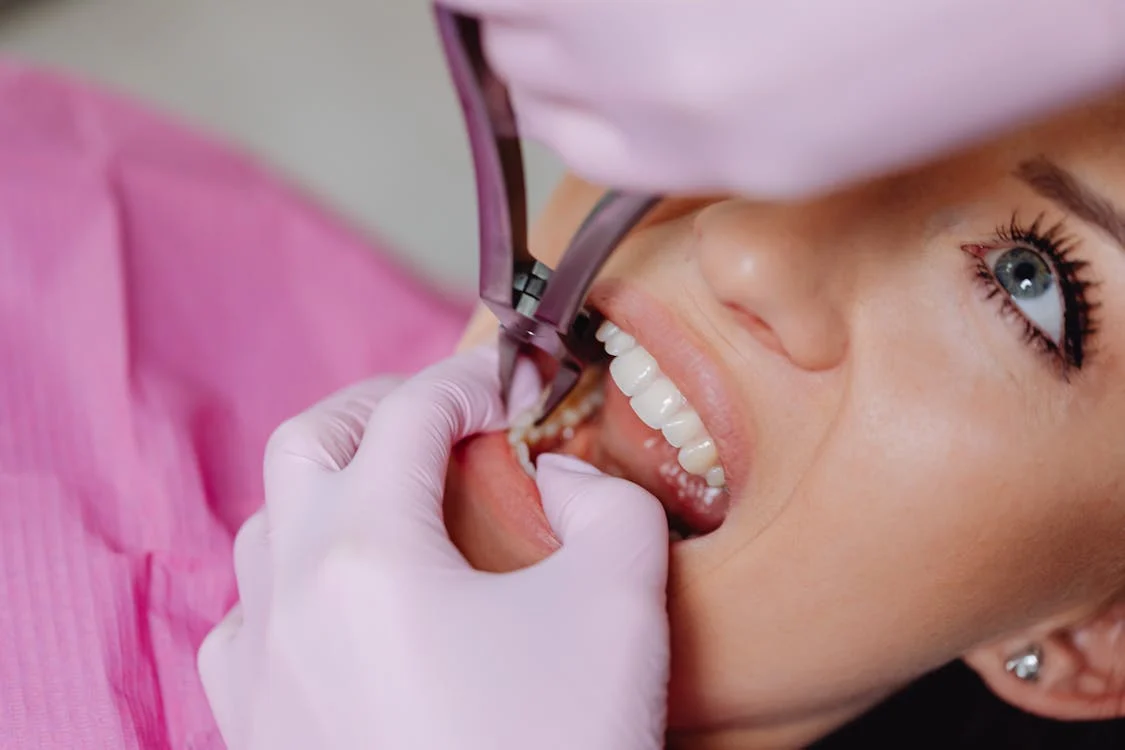
Oral health plays a critical role in maintaining overall wellness, far beyond ensuring a beautiful smile. From reducing the risk of systemic diseases to supporting mental and emotional well-being, the health of your teeth and gums significantly influences your quality of life. As prosthodontists, we often see the direct and indirect ways oral health impacts the entire body. In this blog, we’ll explore the connection between oral health and overall wellness and how dental health affects overall health.
Oral Health as a Gateway to the Body
The mouth is a gateway to the rest of your body, serving as the entry point for nutrients, oxygen, and bacteria. While some bacteria are beneficial, harmful bacteria can wreak havoc if not managed properly. When oral hygiene is neglected, harmful bacteria proliferate, causing gum disease, tooth decay, and infections that can spread to other parts of the body.
This systemic connection highlights why routine dental care and hygiene practices, such as brushing, flossing, and regular dental check-ups, are essential—not just for oral health but for overall health.
The Link Between Gum Disease and Systemic Diseases
Gum disease, or periodontal disease, is one of the most common oral health problems. Left untreated, it can lead to tooth loss and has been linked to a variety of systemic conditions, including:
1. Cardiovascular Disease
Studies show a strong correlation between gum disease and heart disease. Inflammation caused by gum disease can lead to the narrowing of arteries, increasing the risk of heart attacks and strokes. Researchers believe that bacteria from infected gums can enter the bloodstream, triggering inflammation and contributing to cardiovascular problems.
2. Diabetes
The relationship between diabetes and gum disease is bidirectional. People with diabetes are more prone to infections, including gum disease. Conversely, gum disease can make it harder to control blood sugar levels, exacerbating diabetes. Proper oral care is crucial for maintaining balanced blood glucose levels.
3. Respiratory Infections
Bacteria from the mouth can travel to the lungs, leading to respiratory infections such as pneumonia. This risk is particularly high in older adults or individuals with compromised immune systems.
4. Pregnancy Complications
Pregnant women with gum disease face a higher risk of preterm birth and low birth weight babies. Hormonal changes during pregnancy can also make gums more susceptible to inflammation, underscoring the importance of prenatal dental care.
Oral Health and Chronic Inflammation
Chronic inflammation is a common factor in many systemic diseases, and gum disease is a key contributor. The body’s immune response to harmful oral bacteria can lead to long-lasting inflammation that affects other areas, such as the joints (as seen in rheumatoid arthritis) or blood vessels (contributing to atherosclerosis).
Reducing inflammation through good oral hygiene can alleviate the burden on your immune system and potentially lower your risk of chronic illnesses.
The Role of Prosthodontics in Overall Health
Prosthodontists specialize in restoring and replacing teeth, playing a vital role in promoting overall health. Here’s how:
1. Restoring Functionality
Missing or damaged teeth can make it difficult to chew and digest food properly, leading to nutritional deficiencies. By restoring functionality through dental implants, bridges, or dentures, prosthodontists ensure that patients can maintain a balanced diet.
2. Preventing Bone Loss
Tooth loss can lead to jawbone deterioration over time. Prosthodontic solutions like implants help preserve bone structure, preventing further complications such as facial collapse or changes in speech.
3. Boosting Mental and Emotional Well-Being
A healthy smile is closely tied to self-esteem. Missing or damaged teeth can affect your confidence and mental health. Prosthodontists help restore smiles, enabling patients to feel more positive about their appearance and social interactions.
How Dental Health Affects Overall Health: A Closer Look
Maintaining dental health is not just about preventing cavities—it directly influences the body’s ability to function optimally. Here are some additional ways dental health impacts overall wellness:
1. Nutrition and Digestion
Oral health problems like missing teeth or gum infections can make it difficult to chew food effectively, leading to poor digestion. Undigested food particles can result in gastrointestinal discomfort and reduced absorption of nutrients, affecting energy levels and overall health.
2. Immune System Strain
The immune system constantly fights harmful bacteria and infections. When oral health is neglected, the immune system is forced to work overtime to combat gum disease or infections, leaving less energy to fight other illnesses.
3. Sleep and Breathing Issues
Conditions like sleep apnea, often associated with oral and jaw structure, can have far-reaching health consequences. Untreated sleep apnea increases the risk of high blood pressure, stroke, and heart disease. Prosthodontic devices, such as mandibular advancement appliances, can help manage sleep apnea effectively.
4. Cognitive Health
Emerging research suggests a link between oral health and cognitive decline. Gum disease has been associated with a higher risk of Alzheimer’s disease, possibly due to the spread of oral bacteria to the brain.
Preventive Care: The Foundation of Health
Preventive dental care is one of the most effective ways to support overall wellness. Here are key steps to maintain optimal oral health:
- Brush and Floss Daily
Brushing twice a day and flossing once daily helps remove plaque and food particles that contribute to decay and gum disease.
- Visit the Dentist Regularly
Routine check-ups allow for early detection and treatment of oral health issues before they escalate into systemic problems.
- Eat a Balanced Diet
Consume foods rich in calcium, vitamin D, and phosphorus to support healthy teeth and gums. Avoid excessive sugar, which feeds harmful oral bacteria.
- Stay Hydrated
Drinking water helps wash away food particles and neutralize acids produced by bacteria, reducing the risk of decay.
- Quit Smoking
Smoking increases the risk of gum disease, oral cancer, and other health issues. Quitting is one of the best things you can do for your oral and overall health.
Special Considerations for Aging Adults
As we age, oral health becomes increasingly important for overall wellness. Older adults are more susceptible to conditions like dry mouth, which increases the risk of cavities and infections. Prosthodontic care can help address age-related dental issues, such as tooth loss, ensuring a high quality of life in later years.
A Prosthodontist’s Advice for Holistic Health
To fully understand how dental health affects overall health, it’s important to consider the body as an interconnected system. By addressing oral health issues promptly and maintaining preventive care, you can reduce the risk of systemic diseases, improve your quality of life, and even extend your lifespan.
At the same time, it’s crucial to work closely with both dental and medical professionals. Collaboration between prosthodontists and other healthcare providers ensures comprehensive care tailored to your unique needs.
Investing in Your Smile, Investing in Your Health
Oral health is a cornerstone of overall wellness, influencing everything from cardiovascular health to mental well-being. By prioritizing dental care and seeking expert guidance from a prosthodontist, you can enhance your physical and emotional health while enjoying a confident, functional smile.
Remember, your mouth is the gateway to your body. Keeping it healthy is one of the best investments you can make for your future.
If you have concerns about your oral health or need advanced care, contact a trusted prosthodontist to start your journey toward better health today.
