


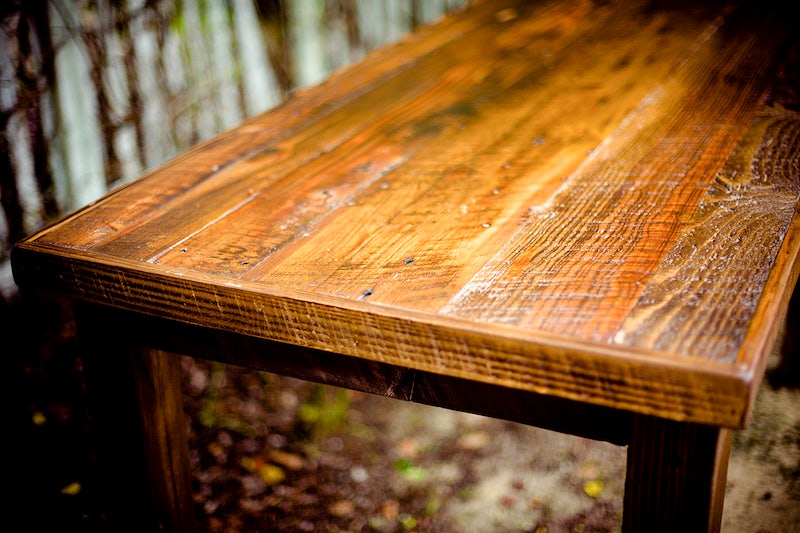
Wood is one of the most versatile and widely used materials in construction, furniture making, and even artistic endeavors. But not all wood is created equal. The quality of wood varies based on its species, processing, and grading. Understanding the different grades of high-quality wood helps you make informed decisions, whether you’re a carpenter, builder, or just someone interested in fine woodwork.
So, what exactly determines wood quality, and how do we differentiate between grades? Let’s discuss.
What Determines the Grade of Wood?
Several factors influence the grade of wood, including:
- Wood Species: Hardwoods (such as oak, maple, and walnut) and softwoods (such as pine and cedar) have different grading systems.
- Grain and Texture: The consistency of the wood grain plays a major role in its aesthetic appeal and structural integrity.
- Knots and Defects: Fewer knots and imperfections usually mean higher-grade wood.
- Moisture Content: Properly kiln-dried wood has a lower moisture content, reducing the risk of warping or shrinking.
Hardwood Grading System
Hardwoods are typically graded by the National Hardwood Lumber Association (NHLA), which provides a standardized system based on appearance and usability.
1. FAS (First and Second Grade)
- The highest quality hardwood available.
- Minimal defects and consistent grain patterns.
- Ideal for fine furniture, cabinetry, and high-end flooring.
2. Select Grade
- Slightly lower in quality than FAS but still highly valuable.
- Fewer knots and defects, making it a great choice for furniture and decorative woodwork.
3. #1 Common Grade
- More knots and imperfections than FAS and Select Grade.
- Suitable for less visible areas like furniture backs and sides.
4. #2 Common Grade
- Contains even more defects but is still structurally sound.
- Often used for rustic furniture or projects where character is preferred over perfection.
Softwood Grading System
Softwoods follow a different grading system, typically categorized as appearance grade and structural grade.
Appearance Grade Softwoods
- Used primarily for aesthetic purposes, like paneling and trim.
- Clear or nearly clear boards with minimal knots.
Structural Grade Softwoods
- Rated based on strength rather than appearance.
- Grades range from Select Structural (highest) to Construction and Utility grades.
- Used for framing, beams, and other structural applications.
Plywood and Veneer Grading
Plywood and veneer wood have their own grading systems, ensuring quality consistency across different layers of laminated wood.
Plywood Grades:
- A-Grade: Smooth and free of knots, perfect for furniture and cabinetry.
- B-Grade: Minor defects but still good for visible applications.
- C & D Grades: Lower quality, used mostly for subflooring or structural support.
Choosing the Right Grade for Your Project
Not sure which grade to choose? Ask yourself these questions:
- Is appearance important? If yes, opt for FAS hardwood or high-grade appearance softwood.
- Is strength more important than looks? Structural softwood grades are best.
- Are you on a budget? Lower-grade hardwoods or softwoods might be more cost-effective.
FAQs
1. What is the best grade of wood for fine furniture?
FAS hardwood is the best choice due to its minimal defects and beautiful grain.
2. Can lower-grade wood still be used for furniture?
Yes! Lower grades like #1 and #2 Common can add character to rustic or distressed-style furniture.
3. Why does softwood have a different grading system?
Softwoods are often used in structural applications, so their grading focuses more on strength than appearance.
4. Is higher-grade wood always more expensive?
Generally, yes, but prices also depend on the wood species, availability, and market demand.
Understanding wood grades helps you select the perfect material for your project, balancing quality, aesthetics, and cost. Now that you know the different grading systems, which type of wood will you choose for your next project?
Apart from that, if you want to know more about Emergency Water Damage Restoration: What to Do Immediately then visit our Home Improvement category.
