


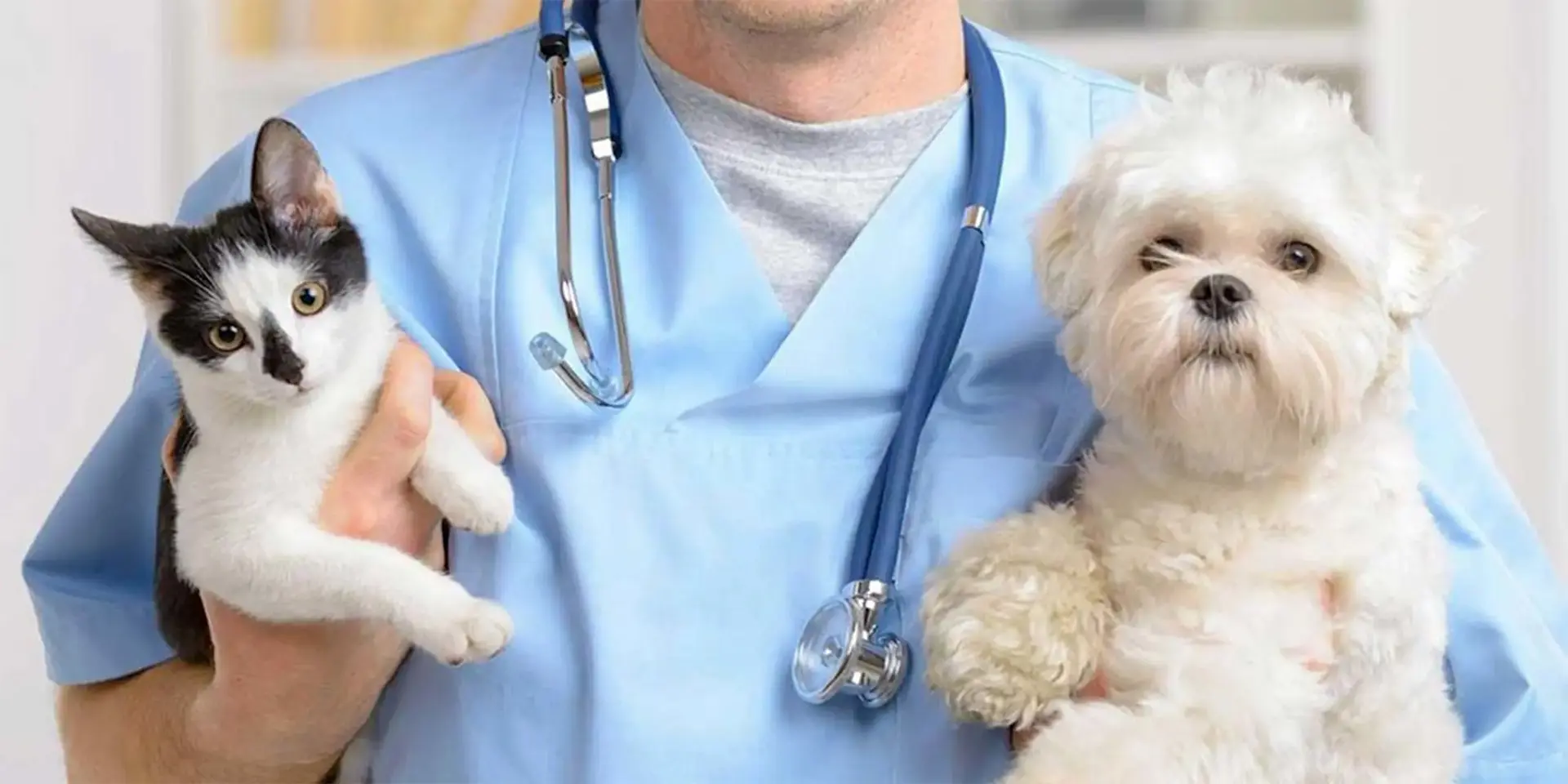
Your pet’s health is precious. You want to keep them safe and happy. A strong wellness plan, including vaccinations, is key to protecting your furry friend. Vaccinations guard against diseases that can cause harm or even death. Visiting your North Little Rock pet clinic ensures your pet gets the right vaccines at the right time. Regular check-ups and vaccinations work together to maintain your pet’s well-being. They prevent illness and catch any issues early. This approach supports a long, healthy life for your companion. Vaccinations not only protect your pet but also keep other animals safe. By keeping up with wellness plans, you contribute to a healthier community. You provide a shield for your pet against threats. Understand the importance of vaccinations and wellness plans. Prioritize your pet’s health. Rely on expert guidance from your North Little Rock pet clinic. Your pet deserves the best care. Protect them through preventive measures.
Understanding Vaccinations
Vaccinations are essential for pets. They provide immunity against diseases that can affect your pet’s health. When you vaccinate your pet, you prepare their immune system to fight off infections. This protection is crucial for preventing diseases that could be serious or fatal. According to the American Veterinary Medical Association, vaccines for pets have dramatically reduced illness in animals across the country. By keeping vaccines up to date, you can avoid unexpected vet visits and costly treatments. Explore more about pet vaccinations at AVMA’s vaccination guidelines.
Components of a Wellness Plan
A wellness plan includes regular vet visits, proper nutrition, exercise, and vaccinations. Each part plays a role in keeping your pet healthy. Routine check-ups help identify issues early. Early treatment leads to better outcomes. Nutrition and exercise maintain a healthy weight and prevent obesity-related conditions. Vaccinations protect against diseases. Together, these elements ensure a holistic approach to your pet’s well-being.
Common Pet Vaccines
Pets require different vaccines based on their species, age, and lifestyle. Here is a typical vaccination schedule:
| Vaccine | Age of Pet | Frequency |
| Rabies | 12 weeks | Every 1-3 years |
| Distemper | 6-8 weeks | Every 1-3 years |
| Parvovirus | 6-8 weeks | Annual |
| Leptospirosis | 12 weeks | Annual |
This table offers a general guide. Your vet will tailor the vaccination schedule to meet your pet’s specific needs. Consult with them to ensure your pet receives timely vaccinations.
The Benefits of Preventive Care
Preventive care reduces the risk of illnesses and complications. It saves you from expensive treatments. Regular vet visits and vaccinations lower your pet’s chances of getting sick. They also help in identifying conditions early, which increases the effectiveness of treatment. The Centers for Disease Control and Prevention emphasizes the value of preventive health for pets. You can learn more from their guidelines on pet preventive care.
Tailoring Plans for Your Pet
Every pet is unique. Their health plan should reflect their individual needs. Factors like age, breed, and lifestyle influence this plan. Puppies and kittens need different vaccines than adult pets. Senior pets may require more frequent check-ups. Activity level, whether your pet is indoors or outdoors, also affects their health needs. Discuss your pet’s specific requirements with your vet. They will help you create a comprehensive wellness plan.
Community Health Benefits
By vaccinating your pet, you contribute to the wider health of the community. Vaccinated pets reduce the spread of diseases like rabies. These diseases can affect other animals and humans. Keeping your pet vaccinated protects other pets and people. It fosters a healthier environment for everyone.
Conclusion
Your pet relies on you for their health and happiness. A robust wellness plan, with timely vaccinations, ensures they live a long and healthy life. Regular visits to your North Little Rock pet clinic provide the support you need. They guide you in maintaining your pet’s health. Remember, prevention is always better than cure. Act today to protect your beloved companion.
